UNICEF UPSHIFT
Structured digital assets and brand guidelines to improve internal knowledge accessibility across global teams.

01 / Context
Working within the Office of Innovation, I helped scale the UPSHIFT program by organizing massive digital asset libraries and designing standardized brand materials for global deployment.
02 / The Challenge
Global teams were struggling to locate, organize, and utilize crucial digital assets and reporting workflows efficiently, leading to duplicated efforts and communication breakdowns.
"Knowledge accessibility is the foundation of global impact. When information is siloed, progress slows."
03 / Discovery
Core Questions
- 01How do different global teams interact with assets?
- 02What are the common friction points in asset retrieval?
Key Findings
- A flat file structure fails at scale; a robust taxonomy is required.
- Brand assets must be standardized for print and digital to avoid inconsistencies.
04 / System
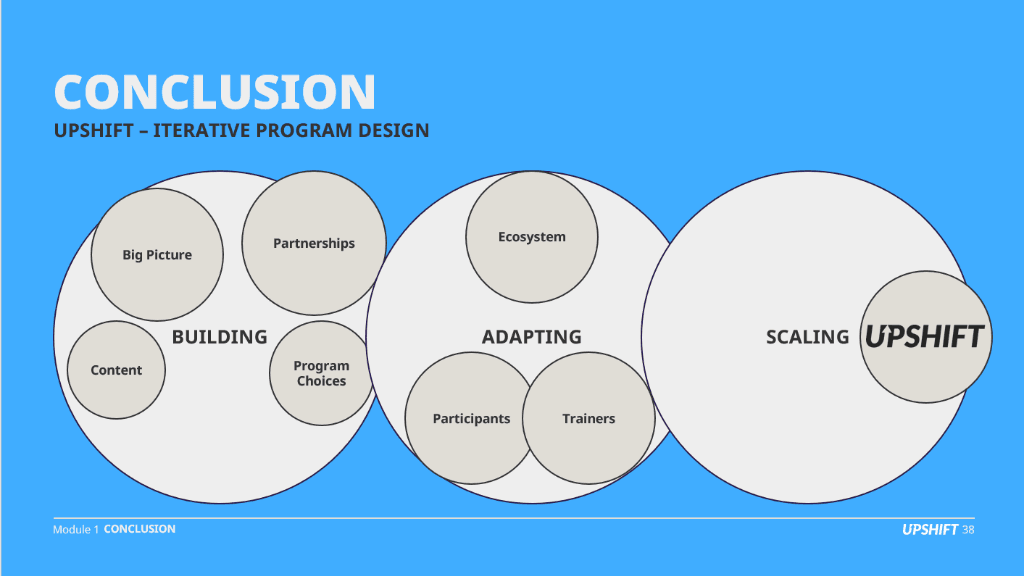
A centralized taxonomy system designed to categorize and retrieve assets based on regional impact, project type, and media format.
05 / Approach
06 / Solution
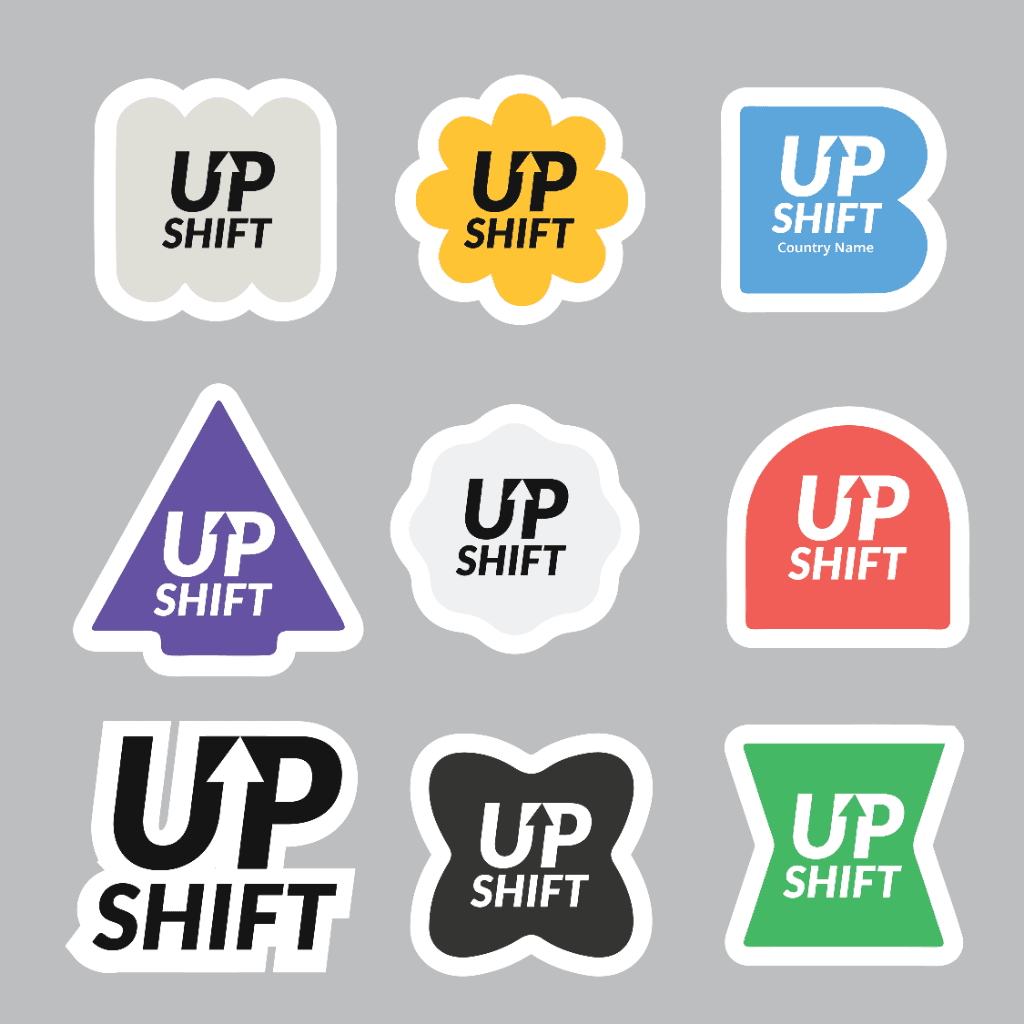
A completely overhauled internal structure prioritizing searchability and clear documentation for tech-enabled social impact initiatives. I also designed numerous brand assets including certificates, ID cards, and merchandise.
Centralized Asset Repository
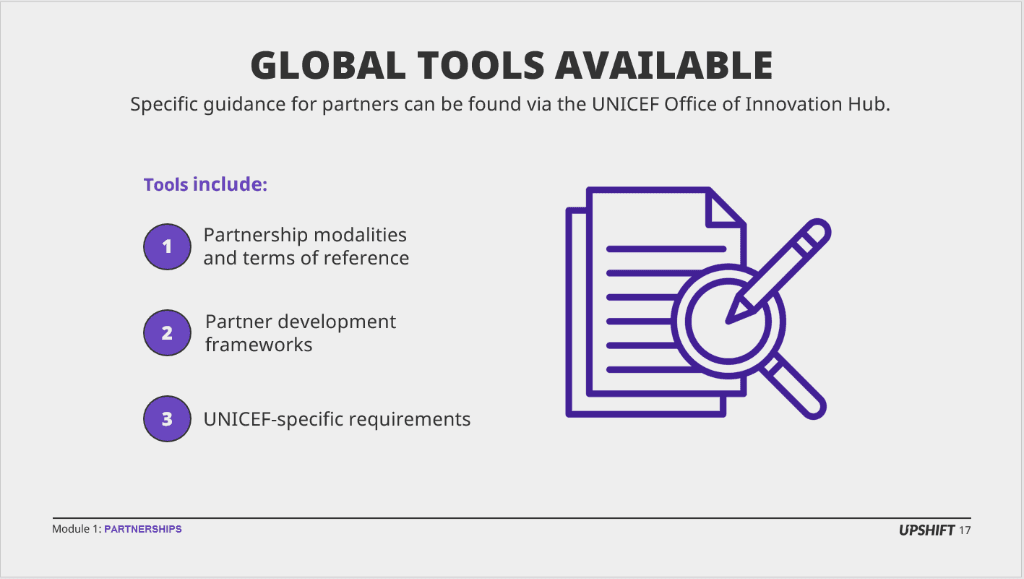
Standardized Documentation Formats
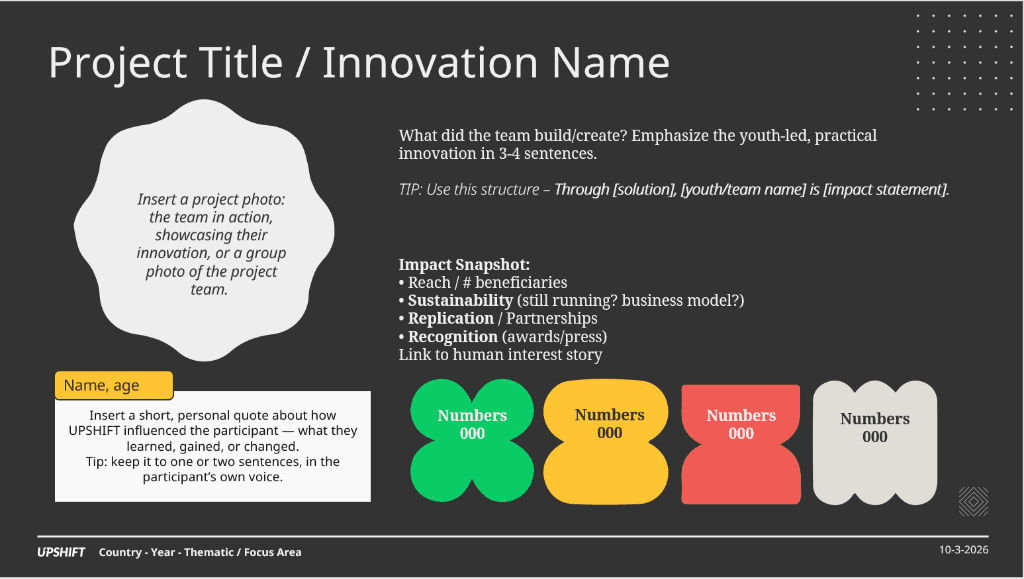
Streamlined Presentation Templates
Merchandise & Brand Collateral
07 / Results
- 01Organized massive libraries of digital assets for seamless global access
- 02Documented and standardized workflows across multiple cross-functional teams
- 03Produced print-ready brand collateral for global deployment
08 / Learnings
09 / What's Next
- →Continually audit and refine the taxonomy as new global initiatives launch.